

LPL Spotlight Stories

Humans Will Again Set Foot on the Moon; This Time, They'll Have UArizona Science in Tow
UArizona scientists mapped the moon for the Apollo missions. Now, as NASA astronauts prepare to return to the moon, two of the three instruments they'll bring have UArizona ties.

How Pluto Got Its 'Heart'
The mystery of how Pluto got a giant heart-shaped feature on its surface has finally been solved by an international team of astrophysicists.
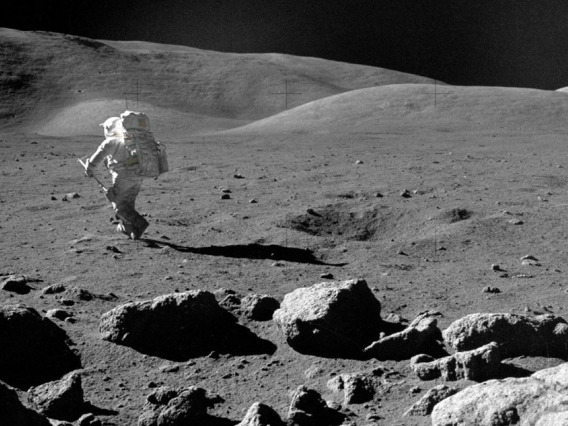
How the Moon Turned Itself Inside Out
More than 50 years ago, Apollo astronauts brought basaltic lava rocks back from the moon with surprisingly high concentrations of titanium. Later, satellite observations found that these titanium-rich volcanic rocks are primarily located on the moon's nearside - but how and why they got there has remained a mystery – until now.
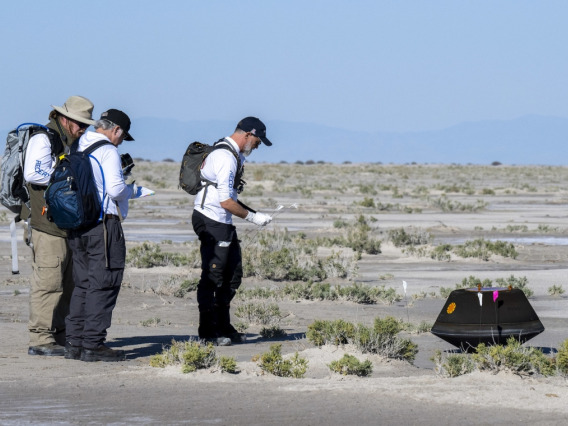
Teams Behind OSIRIS-REx Win Prestigious Aviation Award
The team behind the University of Arizona-led NASA mission to sample the asteroid Bennu joins the ranks of the Apollo 11 crew and Orville Wright to earn the Robert J. Collier Trophy.
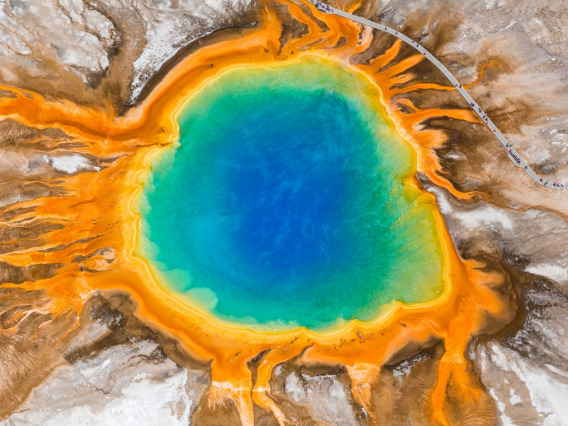
Loathed By Scientists, Loved By Nature: Sulfur and The Origin Of Life
A University of Arizona-led study shines a spotlight on sulfur, a chemical element that, while all familiar, has proved surprisingly resistant to scientific efforts in probing its role in the origin of life.

A Pebble Scooped from an Asteroid is now on Display at UArizona Museum
Tucson’s Alfie Norville Gem & Mineral Museum is one of only three places in the world where the public can see a piece of the asteroid Bennu, collected during NASA's LPL-led OSIRIS-REx mission.
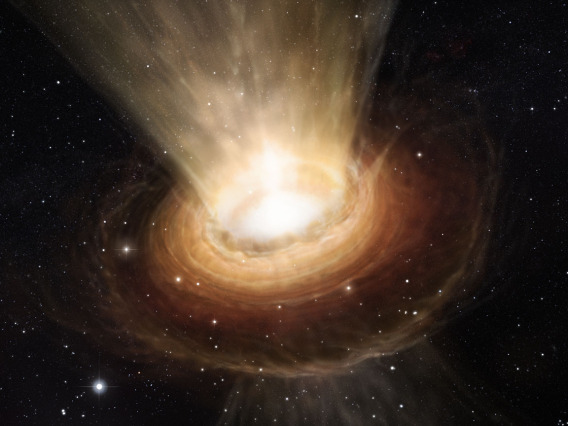
James Webb Space Telescope Captures the End of Planet Formation
We know that there is nearly 100 times more gas than solids present when planets form. But today we see only a fraction of that gas in the solar system (stored within gas giant planets like Jupiter). So, when and how did the remaining gas leave the system? New research featuring LPL graduate student Naman Bajaj as lead author seeks to answer this exact question.
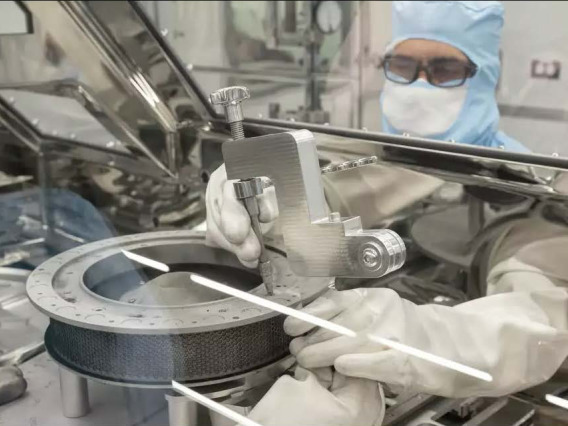
NASA's OSIRIS-REx Curation Team Clears Hurdle to Access Remaining Bennu Sample
Before this milestone, the curation team already had collected more than the 60 grams required to declare the mission a success.
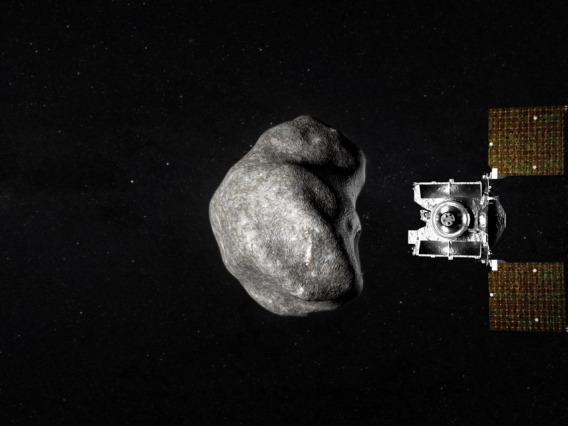
UArizona-led Asteroid Sampling Mission's New Journey: OSIRIS-APEX
Under the leadership of the University of Arizona's Dani Mendoza DellaGiustina, the former OSIRIS-REx spacecraft sets off on a journey to study asteroid Apophis and take advantage of the asteroid's 2029 flyby of Earth.
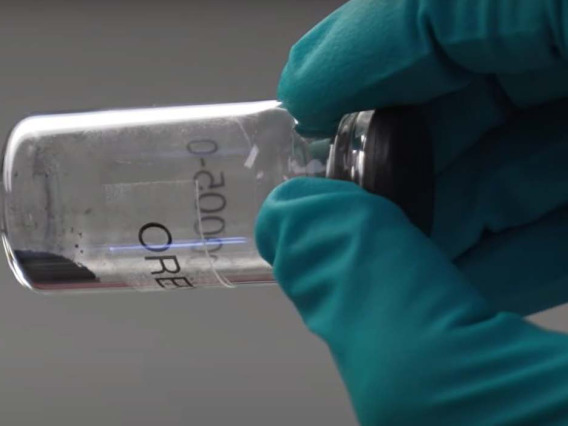
Sweating The Small Stuff: UArizona Scientists Have Begun To Study Samples From Asteroid Bennu
At the university's Kuiper-Arizona Laboratory for Astromaterials Analysis (K-ALFAA), a suite of instruments allows researchers to study the particles collected by the OSIRIS-REx mission the down to the atomic scale.