Alumni News

Ali BramsonDr. Ali Bramson (2018) is the recipient of the 2024 Greeley Award in Planetary Sciences from the American Geophysical Union. The award recognizes significant early-career contributions to the field of planetary science. 

Ali is an Assistant Professor in the Dept. of Earth, Atmospheric, and Planetary Sciences at Purdue University. She studies the quantitative geomorphology of other planets, especially the physical processes related to ice and volatiles that affect the surfaces of solid bodies in our solar system. She uses spacecraft remote sensing observations and theoretical modeling, supplemented by occasional field work at terrestrial analog sites and experimental studies. Her research on Martian mid-latitude ice is helping to shape the future of in situ resource utilization and human exploration of Mars.
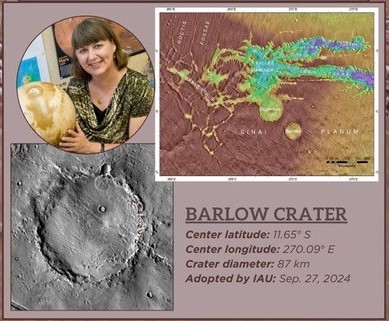
A prominent impact crater on Mars has been named in honor of LPL alumna, Dr. Nadine Barlow (1958–2020). For her dissertation at LPL, Nadine mapped and categorized every impact crater on Mars visible in Viking Orbiter imaging above a threshold size. In her subsequent career, she made many advances in our understanding of Mars from this dataset and from later enhancements. Nadine was a professor at Northern Arizona University, a noted leader in the field of Mars crater studies, and a dedicated teacher and mentor to students and colleagues. Nadine’s contributions to education and planetary science have also been recognized with a display at the Astronomy Discovery Center at Lowell Observatory (Flagstaff).
John Moores

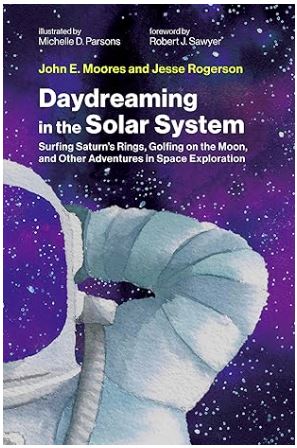
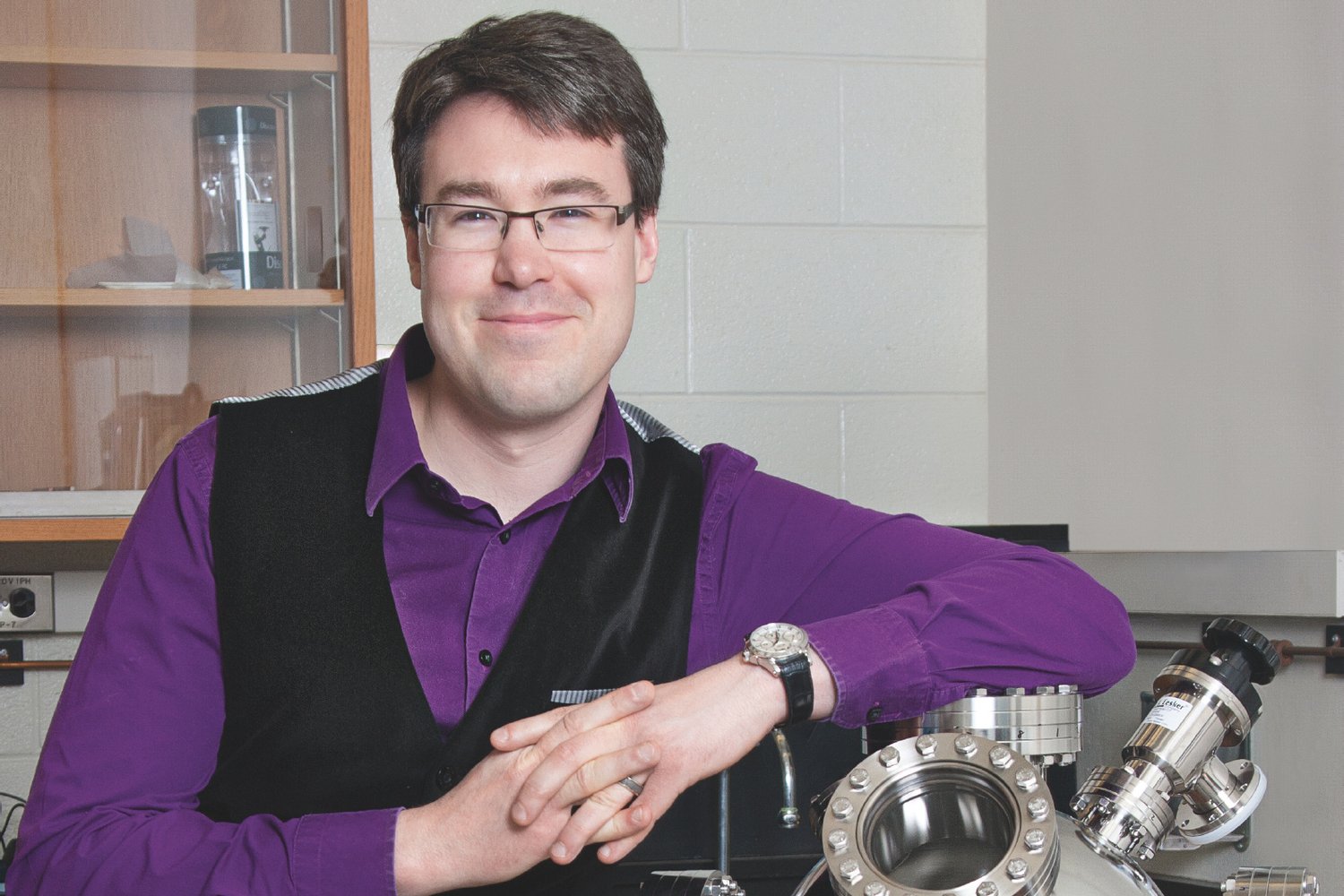
This past summer, Professor John Moores completed a two-year term as the Science Advisor to the President of the Canadian Space Agency and became director of York University’s Earth and Space Science Program, which hosts 90 graduate students. He has recently (October 2024) published with co-author, Professor Jesse Rogerson, a popular science book titled, Daydreaming in the Solar System.

John Moores

About the book, John writes, “Where Carl Sagan’s Cosmos sought to open a window onto the planets for a broad audience, we aim to pull the reader completely through the doorway. In science and story, we aim to immerse the reader in planetary environments and to communicate what it would feel like to actually be there on our neighbor worlds using the details we have learned from more than sixty two years of robotic space exploration. The book imagines an inclusive and optimistic view of the future of solar system planetary science. This vision is vividly explored with sixteen watercolor paintings and twenty six playful diagrams provided by illustrator, Michelle Parsons.

John continues, “In putting together this volume, I’ve been especially grateful for the broad knowledge base I developed as an LPL grad. I have appreciated the conversations with former classmates, other alumni and the entire extended LPL family over the past 16 years that have continued to deepen that understanding. I feel fortunate to be able to share our excitement and awe at exploring the solar system with the public.”

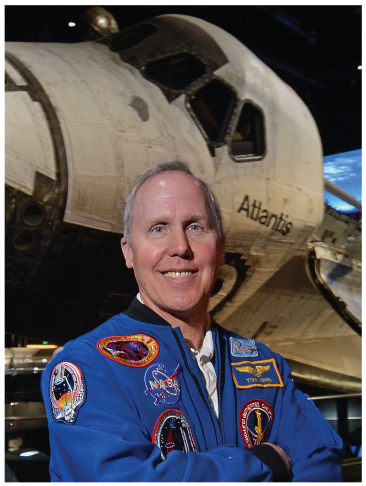
Tom JonesLPL alumnus Dr. Thomas Jones (1988) visited LPL and the University of Arizona in November to both receive and to bestow special awards. On November 12, Tom was presented with a special Professional Achievement Award from Arizona Alumni in recognition of his career prominence. In conjunction with the award presentation, Tom gave a lecture in support of his latest book, Space Shuttle Stories: Firsthand Astronaut Accounts from all 135 Missions. A reception and book signing followed. The following day, Tom held a roundtable with LPL graduate students and presented a lecture titled, Sky Walking: An LPL Astronaut’s Journey. At a ceremony that evening, Tom presented a 2024 Astronaut Scholar Award to U of A student Bryce Wilson.

Before becoming an astronaut Tom was a bomber pilot in the Air Force. Tom is a scientist, speaker, author, pilot, and veteran NASA astronaut. In more than eleven years with NASA, he flew on four Space Shuttle missions. On his last flight, he led three spacewalks to install the centerpiece of the International Space Station, the American Destiny laboratory. At LPL, his dissertation (1988) involved both telescopic and laboratory studies of asteroids and meteorites.

Image
Tom Jones with John Lewis and other Alumni

Above left: Tom Jones with his dissertation advisor, LPL Professor Emeritus John Lewis. Above right: Local alums including Ginny Gulick, Bob Marcialis, Shelly Pope, and Lisa McFarlane, in addition to LPL director Mark Marley, attended Tom’s award lecture and book signing reception.

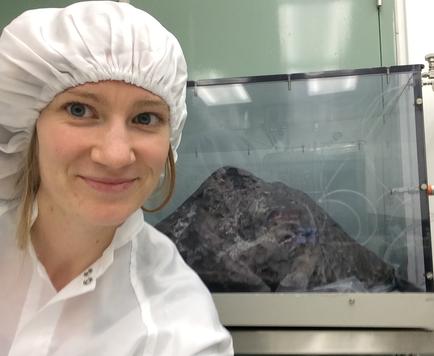
Photo of Kelly Miller and meteorite.LPL alumna Dr. Kelly Miller (2016) was selected as one of five NASA early-career scientists to be honored with a 2023 Planetary Science Early Career Award (ECA). The awards recognize demonstrated leadership, involvement in the planetary science community, and potential for future impact. 

Dr. Miller is a Research Scientist at Southwest Research Institute in San Antonio. Her project, “Carbon-Based Connections: From Earth to the Outer Solar System,” will establish carbon-based connections across the solar system and will include outreach efforts with middle schools in San Antonio. 

The NASA ECA program supports exceptional early-career scientists who play a meaningful role in the planetary science community to pursue professional development in areas relevant to NASA’s Planetary Science Division. The goal of each proposal is to identify a need in the community and propose a project to address that need. Each project is facilitated by a grant of up to $200,000 to each of the selected principal investigators. 

The selected projects span the full breadth of planetary science research, and the principal investigators are based at U.S. universities and research institutes.

NASA Recognizes 5 Early Career Planetary Scientists

Norton Newsom

LPL alumnus Dr. Horton Newsom passed away on April 19, 2024. 

Horton earned his Ph.D. in Geosciences at UArizona in 1982 with a dissertation titled The Experimental Partitioning Behavior of Tungsten and Phosphorus: Implications for the Composition and Formation of the Earth, Moon and Eucrite Parent Body. His dissertation committee was chaired by LPL Professor Michael J. Drake and included then LPL head and director Laurel Wilkening as a member. 

Dr. Newsom worked as a senior research scientist and research professor within the Institute of Meteoritics and Department of Earth and Planetary Sciences at the University of New Mexico. He was a geologist and geochemist with expertise in the origin and composition of the Earth and Moon, and the study of terrestrial impact craters around the world and their hydrothermal systems. He studied surface processes on Mars including impact craters, sedimentary deposits, and phyllosilicate (clay) bearing terrains. His research also included the origin and chemistry of Martian surficial materials using data from the Mars Odyssey Gamma Ray spectrometer experiment. 

Horton was engaged with landing site selection for several Mars missions, including the Mars Exploration Rover (MER), Mars Science Laboratory (MSL), and future human landing sites. He was a co-investigator and science team member on the ChemCam Laser Induced Breakdown Spectroscopy (LIBS) instrument on the MSL Curiosity Rover, and was engaged with planning its science observations. Dr. Newsom was also a dedicated educator who mentored undergraduate and graduate students as well as postdoctoral scholars. He was active in NASA-funded educational outreach to K-12 teachers, and to local middle school and high school students, and Native American colleges.

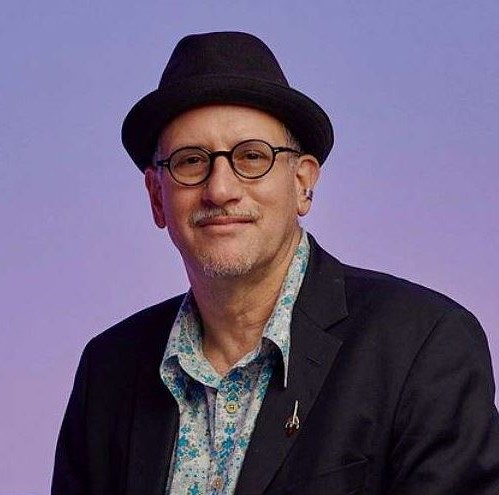
Michael HicksMike earned his Ph.D. at LPL in 1997 with a dissertation titled, A Spectrophotometric Survey of Comets and Earth-Approaching Asteroids. He moved on to work at the NASA Jet Propulsion Laboratory (JPL) as a postdoctoral research associate and then as research scientist from 1998 until 2022. His research specialty was the physical properties of comets and asteroids. He served on the science teams of the DART Project, the Near-Earth Asteroid Tracking (NEAT) Project, the Dawn Mission, and the NASA Deep Space 1 Mission. He was the author of over 80 peer-reviewed scientific papers.
Read the complete memorial from the AAS Division for Planetary Sciences.

David Grinspoon

David Grinspoon (1989) was appointed by NASA to be the Senior Scientist for Astrobiology Strategy. He has been a frequent advisor to NASA on space exploration strategy, a long-time investigator for NASA-funded programs and a science team member on several active interplanetary spacecraft missions. Dr. Grinspoon is the former inaugural Blumberg NASA/Library of Congress Chair in Astrobiology (2012-2013). In 2022, he was appointed as a member of the NASA independent study team on unidentified aerial phenomena and elected as a lifetime member of the American Association of the Advancement of Science.

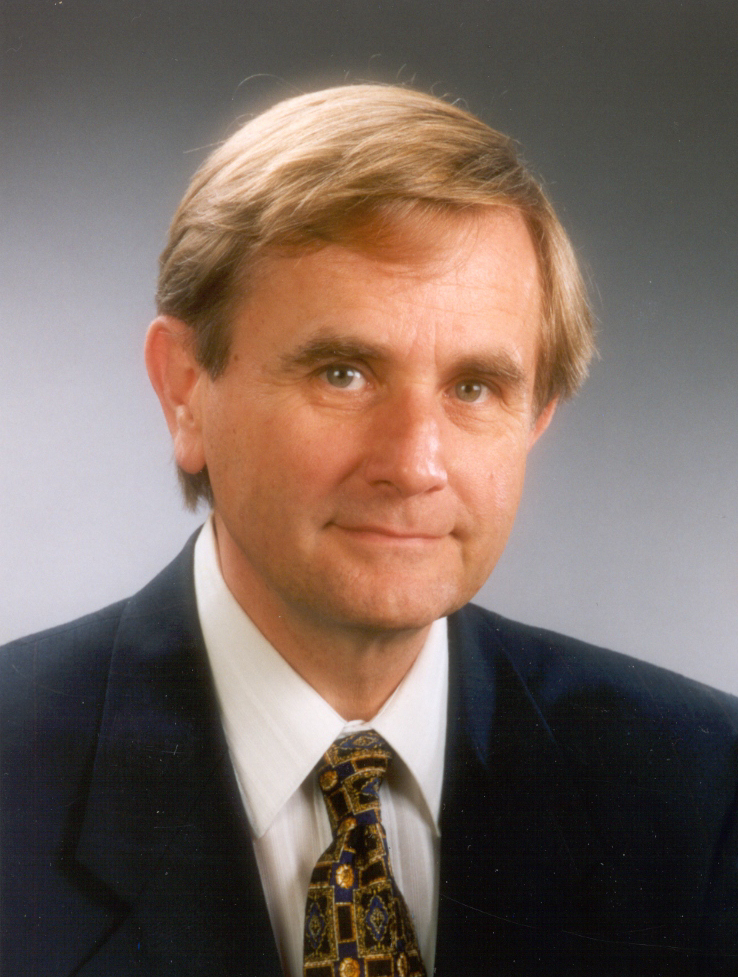
Dale CruikshankDale Cruikshank (1968) was awarded the 2023 Masursky Prize by the American Astronomical Society Division for Planetary Science (DPS) in recognition of his outstanding service to the planetary science community.

Dr. Cruikshank served as the first historian of the DPS until 2020; the position was created after he undertook efforts to document and preserve DPS history. He worked to build international bridges between scientists through outreach to USSR scientists during the Cold War and participation in the International Astronomical Union (IAU), including serving as President for IAU Commission 16. He was Associate Editor of Icarus and a member of multiple decadal studies in both Planetary Science and Astronomy. More about Dr. Cruikshank's career as an astronomer and planetary scientist is available from NASA.


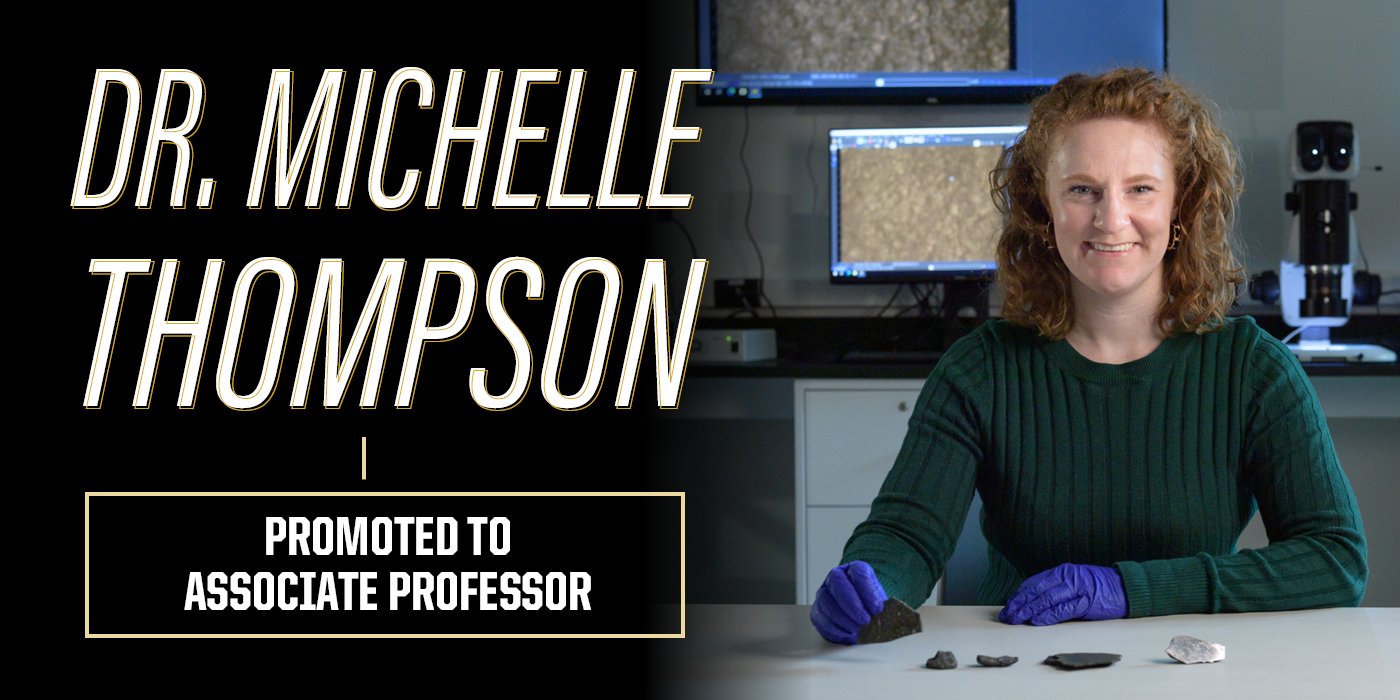
Congratulations to Dr. Michelle Thompson (2016), promoted to Associate Professor in the Department of Earth, Atmospheric, and Planetary Sciences at Purdue University. Michelle is interested in understanding the alteration of planetary materials after their formation, specifically the evolution of airless body surfaces. She studies these phenomena using a combination of experimental techniques and returned sample analyses. Michelle uses advanced transmission electron microscopy methods, including experimental in situ techniques to answer her research questions. This work is directly applicable to samples already returned by the Apollo and Hayabusa missions, and is relevant for the upcoming OSIRIS-REx sample return.