

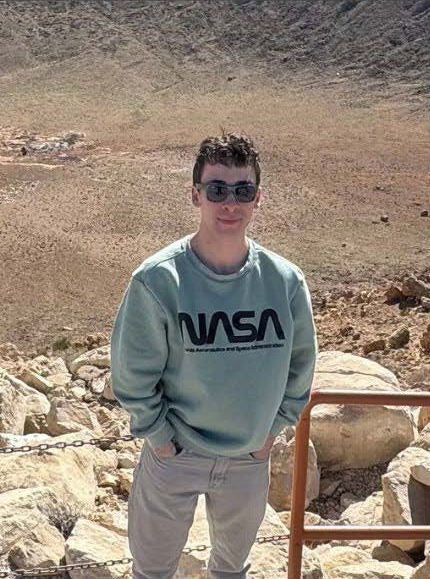
 Chad Cantin
Chad is an Aerospace Engineering major with minors in Planetary Sciences and Astrobiology. Chad chose Planetary Sciences as a minor because of his long-abiding and profound interest in space. He credits enrollment in PTYS 206: Exploring our Solar System with sparking an interest in pursuing further study of the field. Chad’s favorite Planetary Sciences class has been PTYS 407: Chemistry of the Solar System taught by Dr. Dante Lauretta, principal investigator for the OSIRIS-REx mission. Chad reports the class was an incredible experience given the opportunity to learn first-hand about the OSIRIS-REx mission and its importance to the study of asteroid composition.
Chad plans to graduate in Spring 2025 with a Bachelor of Science in Aerospace Engineering; he will then pursue a Master's degree in Systems Engineering. His goal is to work as an aerospace/space systems engineer with NASA. Chad is getting a head start on his career goals this summer, when he will be working as an aeromechanics intern at NASA Ames Research Center.
Chad spent the past academic year as an Arizona/NASA Space Grant working with Professor Shane Byrne to digitize and archive lunar images from the NASA Surveyor Program. Chad also works with Dr. Jekan Thanga (Aerospace and Mechanical Engineering) in SpaceTREx Laboratories’ NASA-funded projects relating to robotic space systems engineering for lunar base applications. More specifically, his work involves designing lunar robots using computer-aided drafting and 3D printing.
When he is not doing homework or working in the lab, Chad enjoys painting and spending time outdoors. He also pursues an interest in astrophotography, using his telescope to capture observable objects in the night sky.

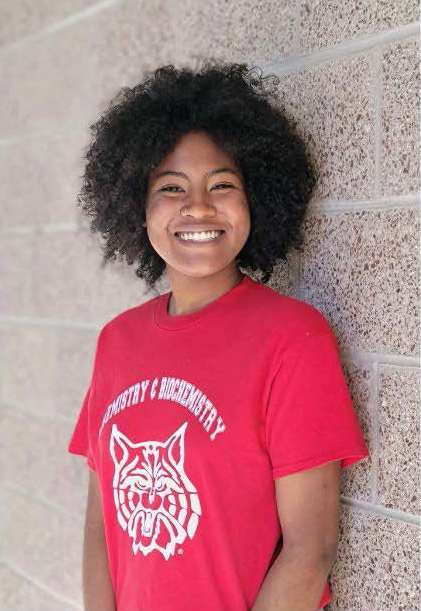 Imani Ralph


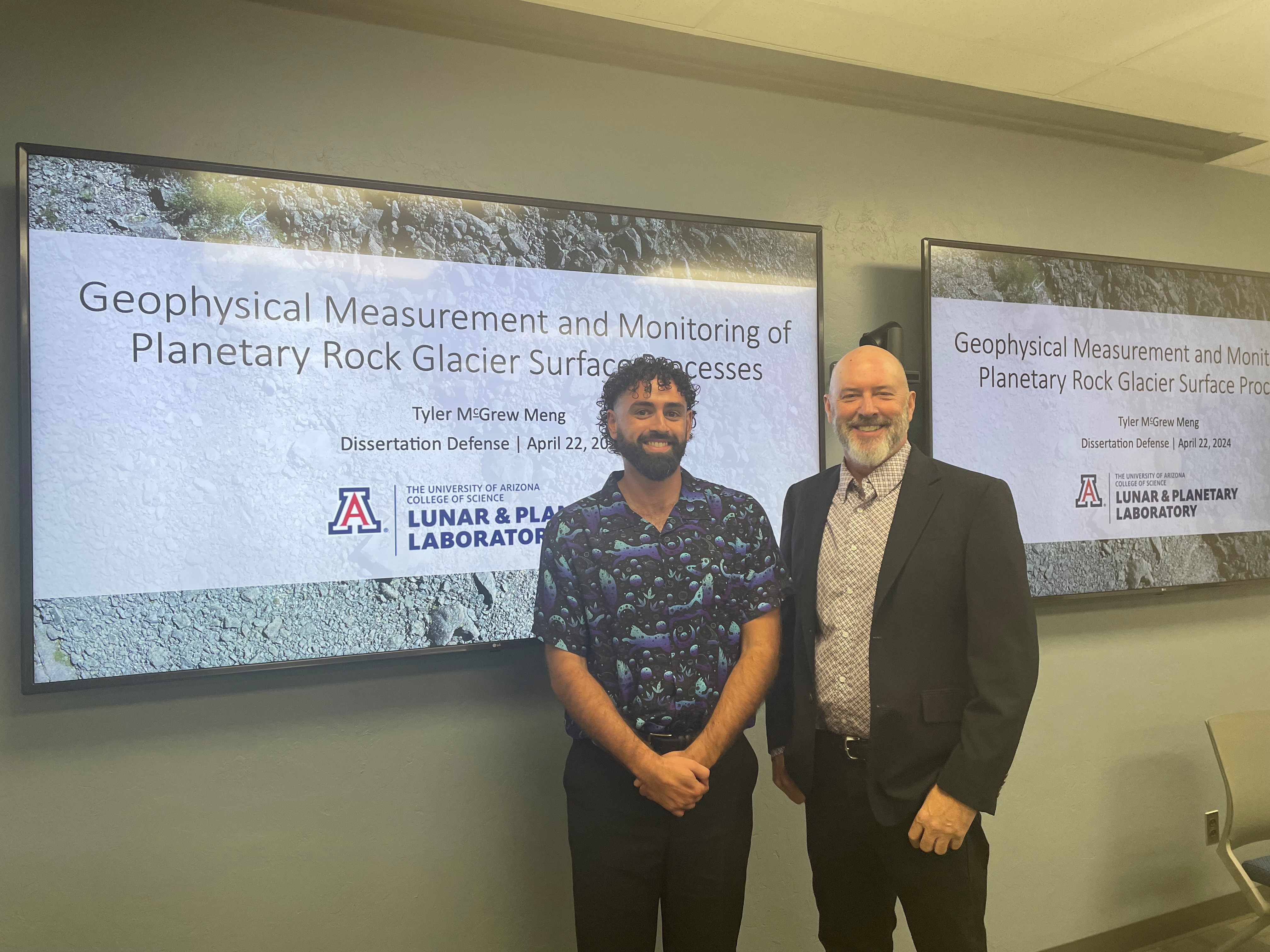 Tyler Meng
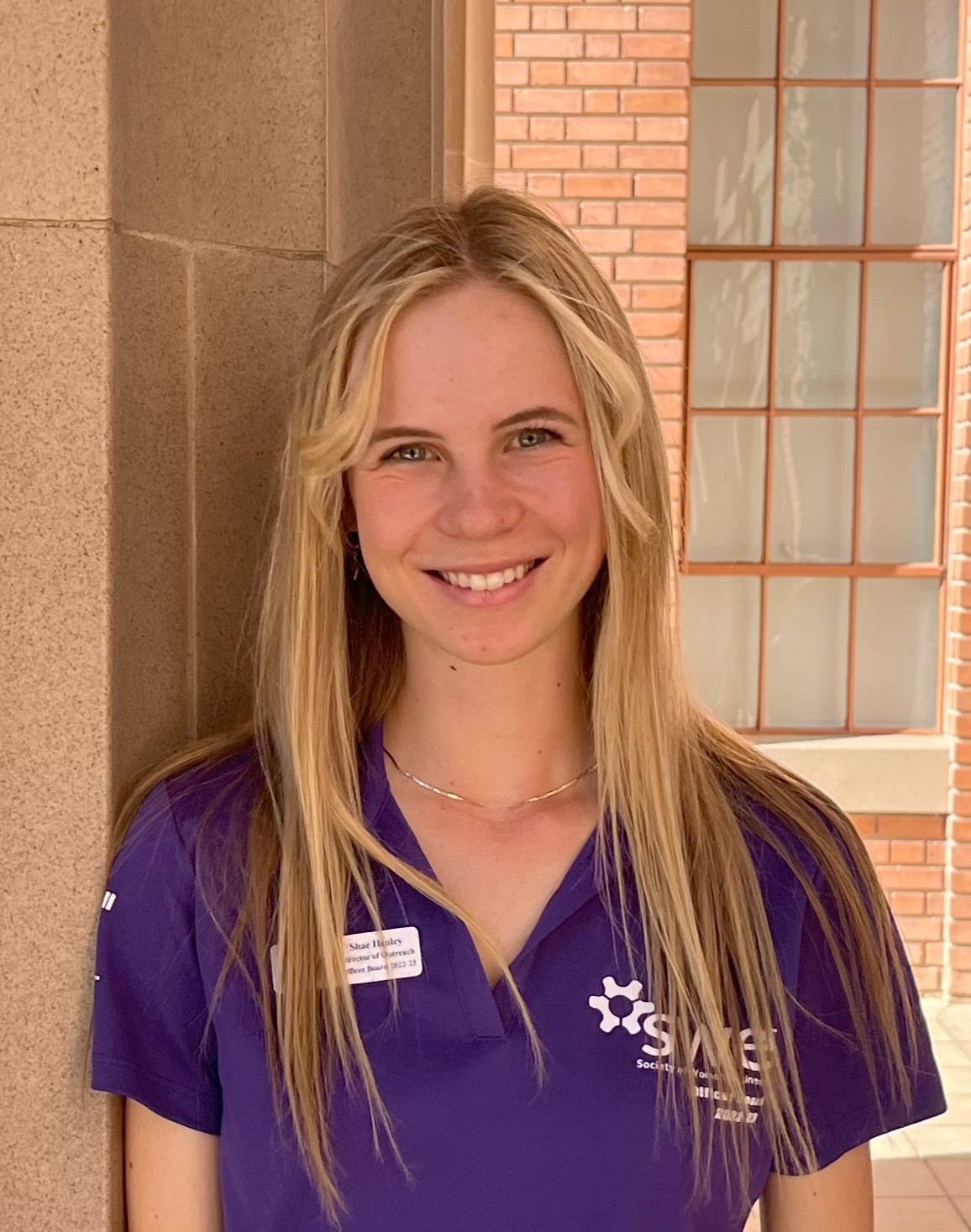 Shae is majoring in Aerospace Engineering with a minor in Astrobiology and expects to graduate in 2024. She is interested in the study of the origin of life and research into potential life beyond Earth. Shae knew the astrobiology minor courses would allow her to gain a strong background in astrobiology and has enjoyed being able to supplement her engineering classes with courses focusing more on the biological sciences, chemistry, and geosciences, among other areas of study.
 Travis Matlock is pursuing an Astronomy major with minors in Planetary Sciences and Physics. Travis chose to minor in PTYS because he has always been fascinated with the objects in our solar system. The PTYS undergraduate courses aligned with his interests and he believes the PTYS minor provides him with a well-rounded, interdisciplinary education. Travis really enjoyed the Asteroids, Comets, and Kuiper Belt Objects (PTYS 416) course with
 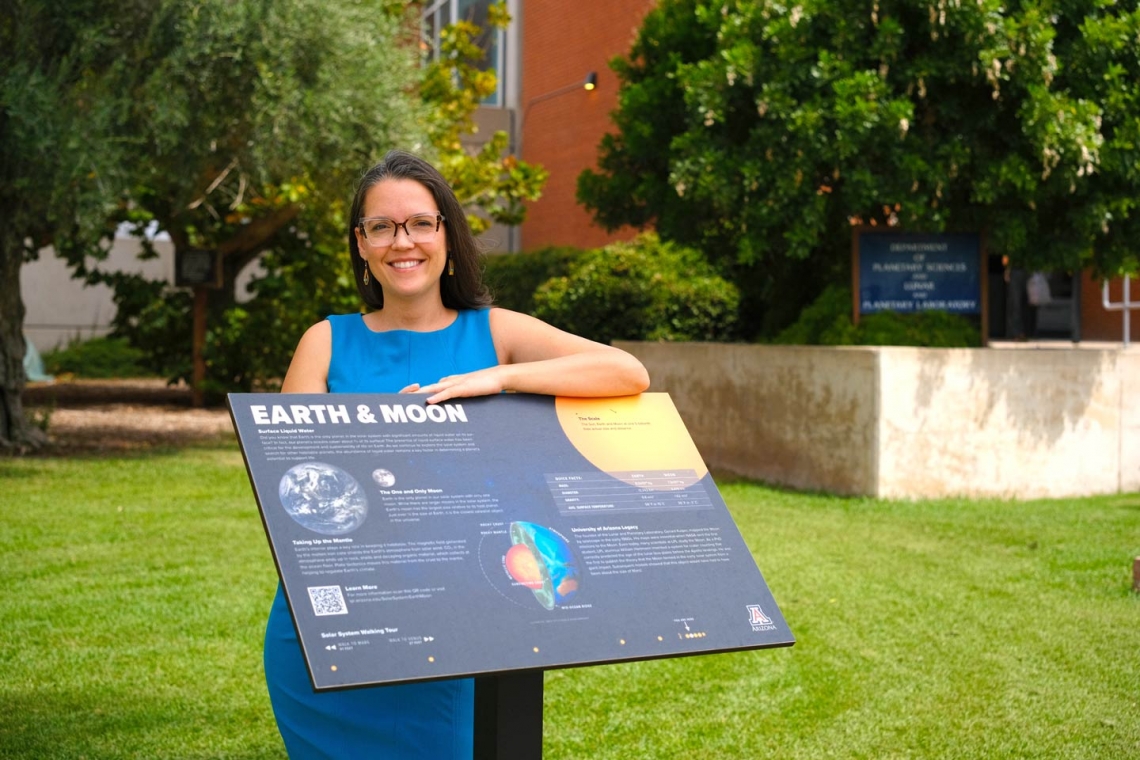 Former LPL student Zarah Brown defended her dissertation in November, but not before completing the